Why Playing From Home Can Affect Your Discipline
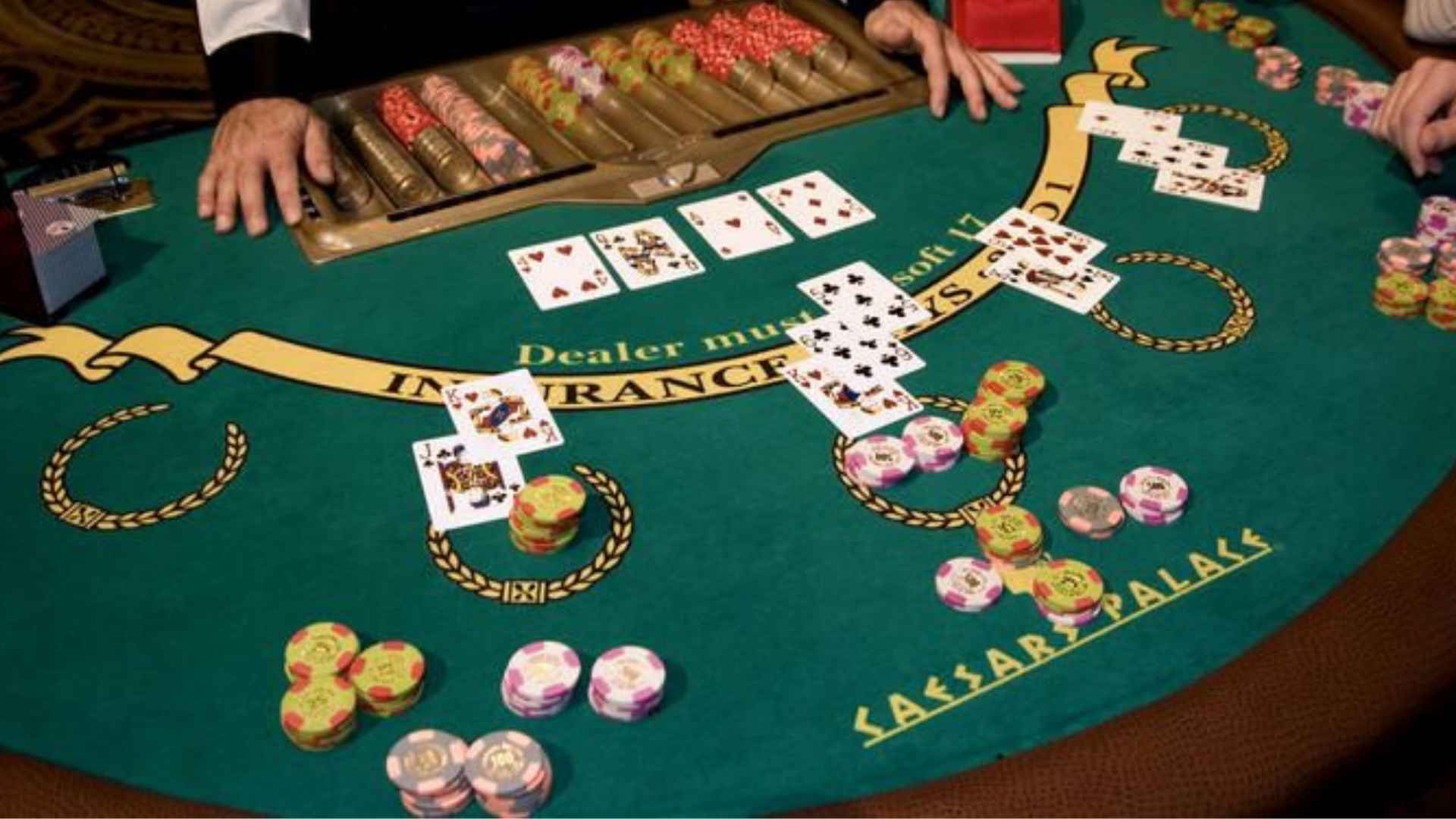
Playing competitive games or participating in online gaming sessions from the comfort of home offers unprecedented convenience and flexibility. However, this domestic environment also introduces unique psychological dynamics that can quietly erode a player's focus and tactical rigor. Understanding why playing from home can affect your discipline is essential for anyone striving to maintain peak performance and sound decision-making.
The Blur Between Relaxation and Focus
Home is naturally associated with rest, entertainment, and freedom from formal supervision, which can alter your mental baseline. When you compete in the same physical space where you unwind, your brain often struggles to transition into a state of high alert. This subtle cognitive disconnect frequently leads to casual decision-making and a drop in overall strategic sharp performance.
Furthermore, domestic environments lack the subtle social pressures found in physical venues that help keep behavior grounded. Without live observers or physical opponents, players are far more susceptible to taking unnecessary risks or abandoning established game plans. Maintaining strict self-regulation requires conscious effort when surrounded by daily household comforts.
Managing Everyday Domestic Distractions
Operating from home exposes players to a continuous stream of minor interruptions, from family members and household chores to smartphone alerts. Even brief disruptions break mental momentum and drain cognitive reserves over extended gaming sessions. Consequently, players often make hasty choices simply because their attention is split across multiple stimuli.
To mitigate these factors, experienced enthusiasts often establish dedicated spaces and seek reliable resources, such as finding a wd boss link alternatif to ensure seamless digital experiences without added frustration. Minimizing technical and environmental friction allows players to channel their mental capacity entirely toward strategy. Eliminating small stress factors helps protect overall emotional stability during crucial moments.
The Risk of Uncontrolled Session Lengths
In a home setting, the absence of rigid schedules or physical closing times makes it easy to lose track of time. Players frequently extend their gaming sessions far longer than originally intended, especially after encountering frustrating losses. Extended play directly causes mental fatigue, which drastically undermines judgment and leads to emotional decision-making.
When tiredness sets in, the ability to calculate risks accurately diminishes significantly. Fatigued players are far more likely to indulge in impulsive actions, often chasing losses instead of stepping away. Establishing hard time limits is crucial for preventing fatigue from ruining long-term progress.
Building Structure for Home Gaming
Overcoming the discipline traps of home gaming requires creating deliberate routines that simulate a professional mindset. Setting clear start and stop times helps reinforce boundaries between leisure and serious play. Treating home sessions with formal structure encourages consistent mental preparation and sharper tactical execution.
Additionally, taking scheduled breaks away from screens allows the brain to reset and recover analytical clarity. Incorporating physical movement and hydration during these intervals restores focus for upcoming challenges. Ultimately, self-discipline at home relies on intentional habits that foster focus and emotional resilience.