The Evolution of Probability Games
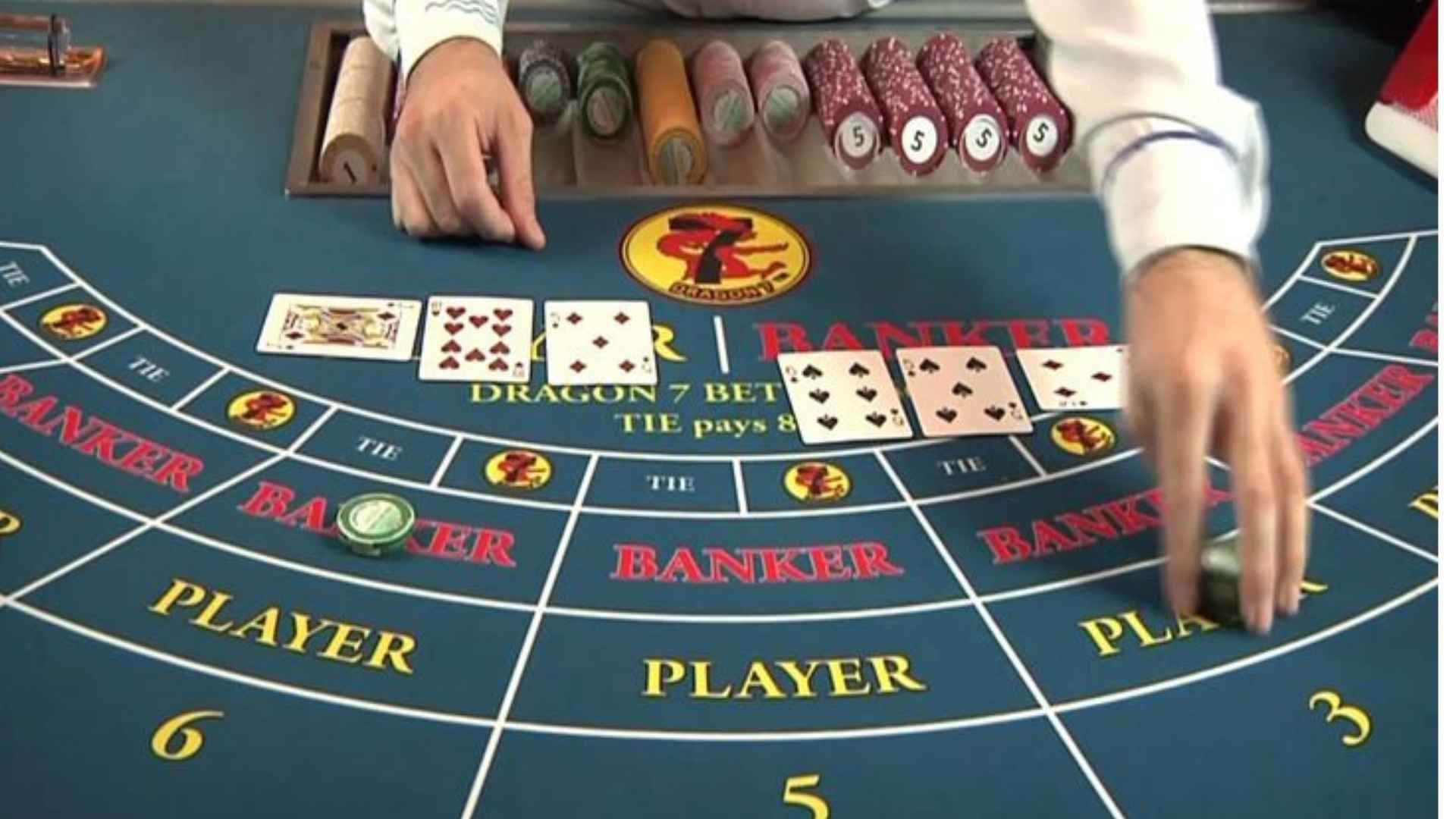
Games of chance and uncertainty have captivated human imagination for thousands of years, evolving from rudimentary ancient rituals into highly sophisticated digital ecosystems. Modern entertainment relies heavily on these mathematical models to create engaging experiences that challenge logical thinking and risk assessment. Understanding how these mechanics transformed over time provides valuable insight into both human psychology and technological progress.
Ancient Origins and the Birth of Chance
Long before modern mathematical theories existed, ancient civilizations utilized simple tools like knucklebones and primitive dice to make decisions and entertain themselves. These early practices were often intertwined with spiritual beliefs, as people viewed the outcomes as expressions of divine will rather than statistical probability. Over centuries, these activities shifted away from divination to become structured tabletop pastimes enjoyed across diverse cultures.
As trade routes expanded, various region-specific games merged and laid the foundation for classic card and dice systems. Players began to notice recurring patterns, although they lacked the formal vocabulary to calculate exact mathematical odds. This long period of intuitive gaming set the stage for a major scientific revolution in how humanity perceived randomness.
The Mathematical Awakening and Formal Rules
The true transformation of probability gaming began during the Renaissance when scholars started applying rigorous mathematics to games of chance. Collaborative insights from brilliant mathematicians turned casual gambling queries into a completely new branch of scientific study. This formalization allowed players to move beyond mere superstition and begin calculating concrete mathematical expectations.
With the introduction of structured rules, popular tabletop challenges became much more strategic and intellectually stimulating. Individuals could now analyze their potential choices systematically, balancing the inherent risks against calculated rewards. This analytical approach fundamentally altered how recreational activities were designed and played across Europe and beyond.
The Shift to Digital Landscapes
The dawn of the personal computing era triggered the next massive leap in the development of uncertainty-based entertainment. Traditional tabletop mechanics were swiftly translated into digital code, introducing computer-generated algorithms to replace physical dice and cards. This transition allowed developers to create much more intricate gameplay loops that were previously impossible to execute manually.
Today, advanced random number generators ensure absolute fairness and unpredictability across thousands of digital platforms globally. For enthusiasts looking to explore these modern systems, utilizing a secure M88.com login provides a direct gateway to experiencing how technological innovation shapes modern gaming mechanics. These sophisticated platforms continue to refine the player experience by blending traditional elements with cutting-edge software design.
Psychological Appeal and Future Trends
The enduring popularity of these challenges lies in the unique balance between predictability and total randomness. Human brains are naturally wired to seek out patterns, making the fluctuating outcomes of probability mechanics deeply engaging. This psychological drive ensures that the genre remains a dominant force in the global entertainment industry.
Looking ahead, emerging technologies like decentralized ledger systems and immersive virtual reality promise to evolve the field even further. These innovations will likely introduce unprecedented levels of transparency and interactive immersion for players worldwide. As the landscape continues to change, the core appeal of navigating chance will remain fundamentally timeless.