Popular Lucky Draw Formats Around the World
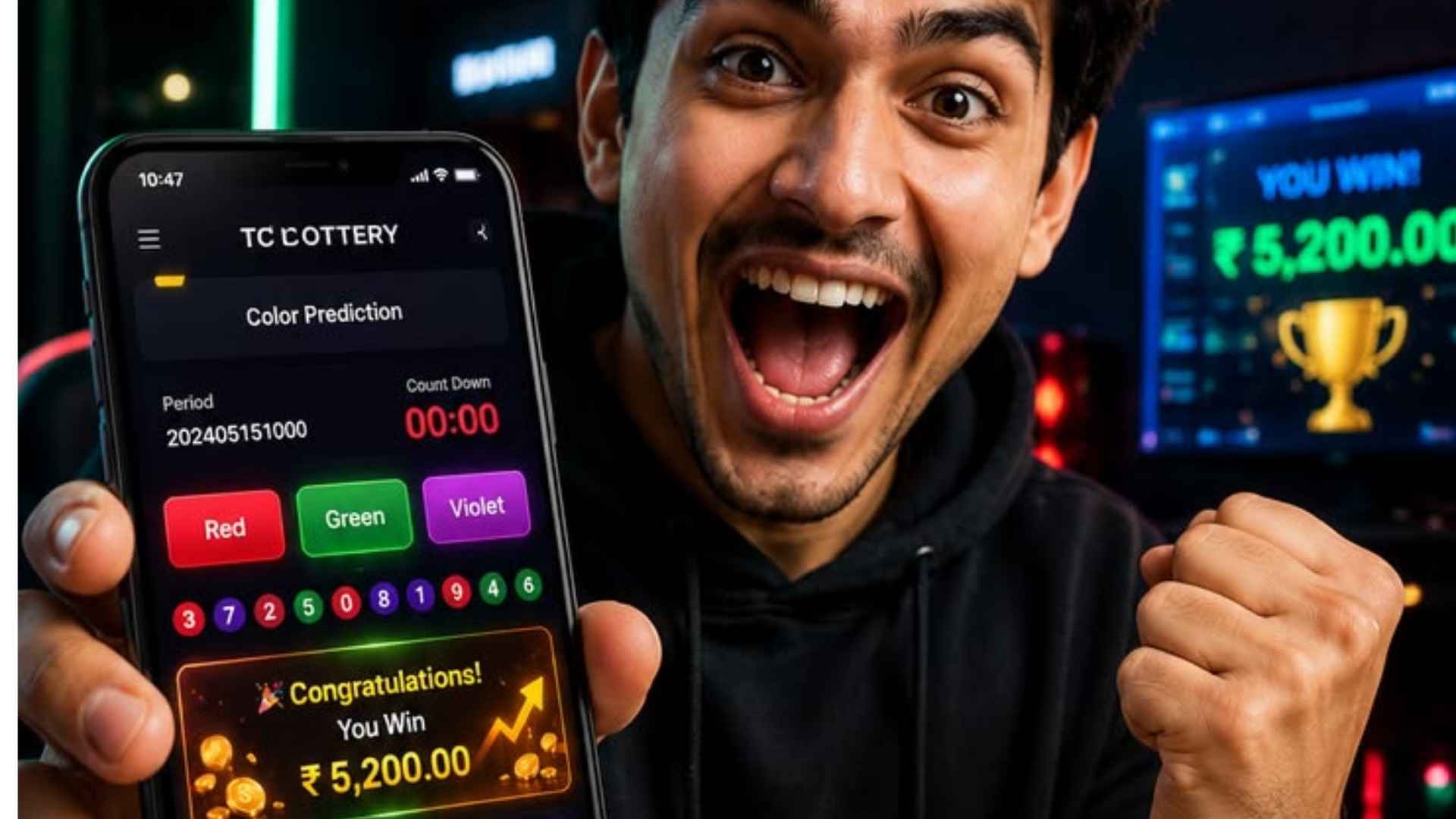
Lucky draw events have long been a staple of marketing campaigns and community gatherings across the globe. These promotional activities generate excitement by offering participants a chance to win prizes based entirely on fortune. As businesses look for innovative ways to connect with audiences, understanding the diverse structures used worldwide can reveal why these formats remain so effective.
Traditional Ticket Based Raffles
The classic ticket system remains one of the most widely recognized methods used by organizations globally. Participants purchase or receive numbered tickets, which are then placed into a large drum or container for a random drawing. This straightforward approach is highly favored because it builds a physical sense of anticipation among the audience during the selection process.
In many regions, this traditional format is commonly associated with charity fundraisers and local community events. The simplicity of the rules ensures that anyone can participate without needing a deep understanding of complex mechanics. Because the process is entirely transparent and manual, it naturally fosters a strong sense of trust among everyone involved.
Digital and Instant Win Promotions
With the rise of internet technology, online adaptations have significantly transformed how promotional giveaways function. Modern campaigns frequently utilize digital algorithms to instantly select winners from a vast database of registered users. This shift allows brands to reach a global audience without the logistical constraints of physical event locations.
Many tech-savvy participants now look for seamless online portals to test their luck in real time. For those interested in gaming and digital entertainment, a reliable M88.com login offers access to a variety of instant win incentives. These digital methods keep audiences engaged through immediate gratification and smooth, interactive experiences.
Milestone and Purchase Driven Giveaways
Another popular framework involves tying prize opportunities directly to customer transactions or specific consumer behaviors. Shoppers are given entry tokens or unique codes only after spending a certain amount of money at a retail store. This strategic setup incentivizes higher spending while making the core promotional event feel like an exclusive reward for loyal customers.
Businesses find great success with this model during major annual shopping holidays and festive seasons. By ensuring that every single entry corresponds to a real purchase, companies can accurately measure the financial return on their promotional investments. Meanwhile, consumers appreciate the extra value added to their standard shopping trips.
Interactive Social Media Contests
Social media platforms have introduced highly interactive formats that rely heavily on user-generated content and public sharing. Participants enter these modern draws by commenting on posts, tagging their friends, or using specific campaign hashtags. This approach turns a standard giveaway into a viral marketing tool that organically expands a brand's digital presence.
The low barrier to entry makes social media promotions incredibly appealing to younger demographics worldwide. These events capitalize on real-time cultural trends and fleeting digital moments to maximize public engagement. Ultimately, this integration proves that traditional concepts of fortune continue to adapt successfully into the modern social landscape.