How to Become Better at Table Games
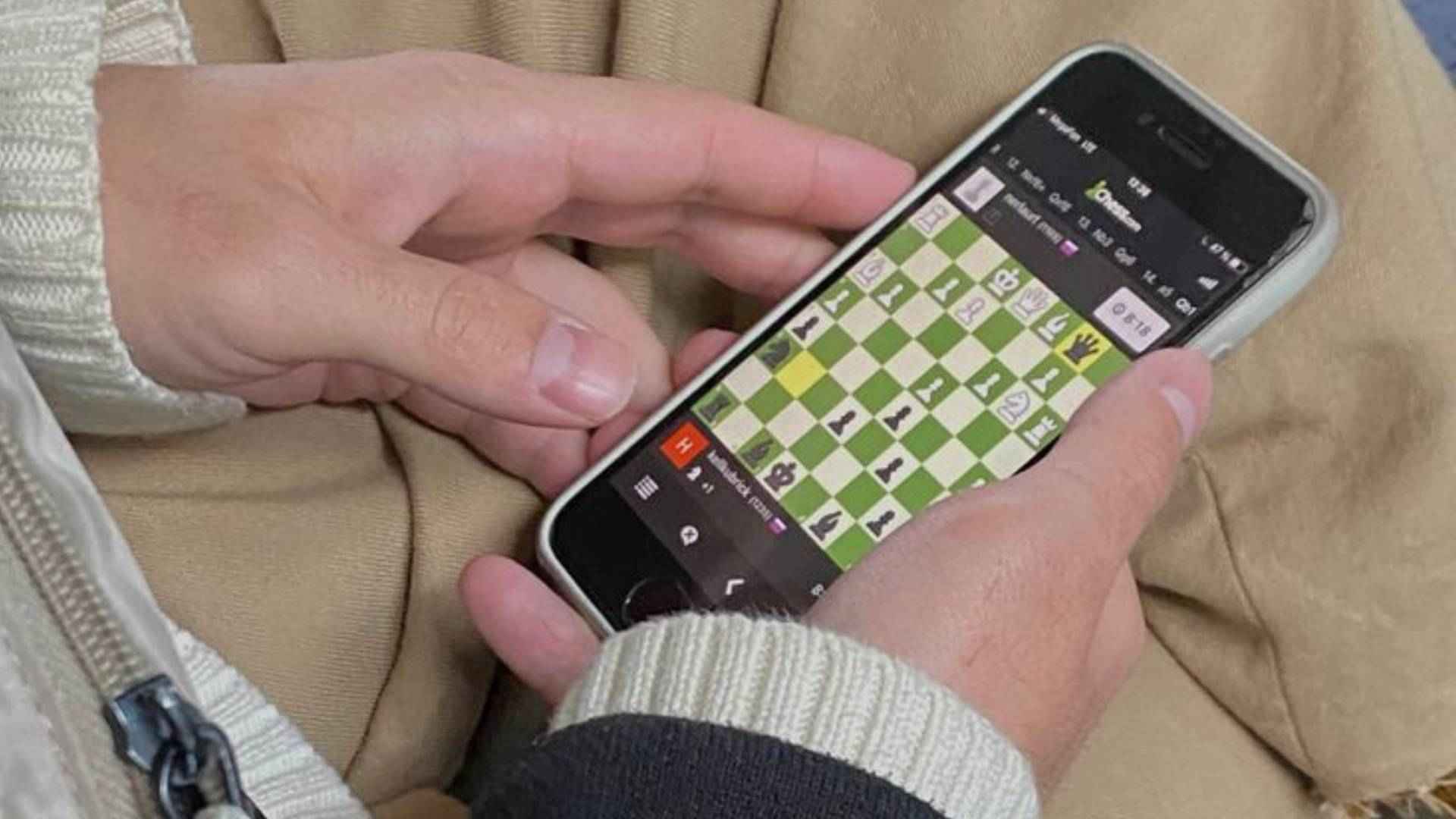
Stepping up to a casino table can feel intimidating, whether it is surrounded by the bright lights of a physical casino or accessed through a digital portal. Unlike purely luck-based options, table games offer an engaging environment where players can actively improve their outcomes through practice and deliberate planning. Moving from a casual observer to a competent player is a highly rewarding journey that begins with shifting your mindset and learning the deeper mechanics of your chosen game.
Mastering Foundational Rules and Basic Strategy
The first step toward improving your performance is building a flawless understanding of the rules and mathematical baseline of each game. Many players make the mistake of relying on gut feelings rather than learning the basic strategies that govern optimal play. For example, using a basic strategy chart in blackjack dramatically lowers the house edge and helps you make the statistically correct choice in every scenario.
Devoting time to practicing in low-stakes or free-play environments allows you to build memory muscle without risking your hard-earned capital. It is always wise to choose a reliable and secure gaming platform where you can test your knowledge and track your progress over time. Utilizing a secure M88.com login will grant you access to a wide variety of practice tables that are perfect for honing your tactical execution.
The Critical Role of Smart Bankroll Management
No amount of strategic knowledge can save a player who does not understand how to protect their playing capital. Effective bankroll management is the absolute foundation of long-term success and enjoyment at any gaming table. You must establish a clear budget before your session starts and view these funds strictly as an entertainment expense rather than a guaranteed source of income.
A disciplined approach involves breaking your total session budget down into smaller, structured betting units to avoid catastrophic losses. This protective structure ensures that a temporary run of bad luck will not wipe out your entire balance in a single sitting. Over time, maintaining this financial discipline helps reduce anxiety and allows you to make calm, analytical decisions at the table.
Developing Emotional Control and Mental Discipline
The psychological aspect of table gaming is often what separates experienced veterans from struggling beginners. Emotional decision-making, commonly known as getting on tilt, can lead to impulsive bets and a rapid loss of your session budget. Learning to identify your personal emotional triggers is essential for keeping a clear head during high-pressure moments.
If you find yourself feeling frustrated after a series of tough losses, the smartest decision is always to step away from the table. Taking a short break helps reset your focus and prevents the destructive urge to chase previous losses. Ultimately, staying patient and trusting your pre-planned strategy is the ultimate key to becoming a better tabletop player.